

What To Expect During a Comprehensive Eye Exam

A comprehensive eye exam checks your vision and the health of your eyes, and an optometrist or ophthalmologist performs most of the tests. If you know the steps ahead of time, the appointment may be more simplified. Here is a look at each part of the exam and what they entail:
Lettered Charts
Once the physical check ends, you will read letters from a chart across the room. This chart tests your vision, and the letters get smaller with each row. You will cover one eye at a time. The results show your visual acuity, such as 20/20 or 20/40. During this part of the eye exam, you may also go through:
- A near-vision card held at reading distance
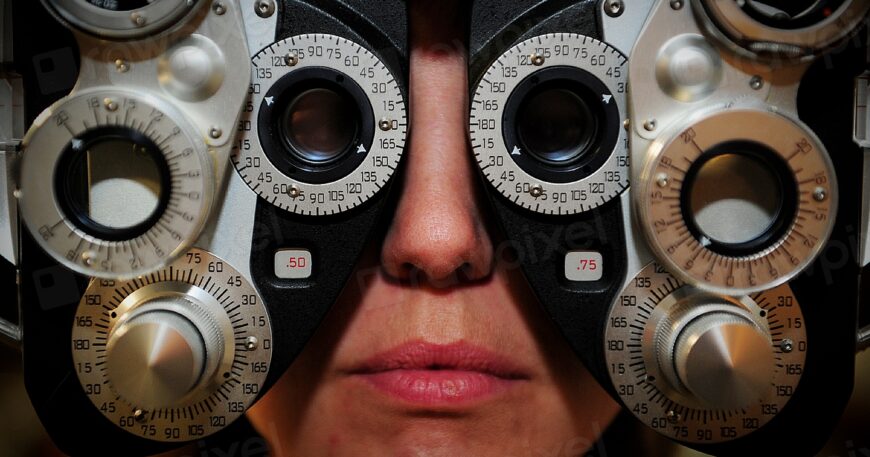
- A phoropter, which is a device with many lenses
- A side-by-side lens comparison to find the clearer option
- A retinoscope check to estimate your prescription
The phoropter test takes a few minutes, and you just answer “one” or “two.” There are no wrong answers. If two options look the same, tell the doctor. That feedback helps the doctor fine-tune your prescription.
Physical Exam
When you arrive, a technician will ask about your health history and any vision concerns. Bring a list of your medications and your current glasses or contacts. The doctor then examines the outside of your eyes, and each eyelid and lash gets a close look.
The doctor then shines a small light into each eye, and your pupils should narrow in response. Since muscles control eye movement, the doctor will ask you to follow a pen or finger. This test checks eye alignment and muscle strength. Weak or uneven muscles may point to eye strain or other issues.
The doctor may also use a slit lamp. This microscope magnifies the front of your eye so the doctor can see the cornea, iris, and lens. The test does not hurt, and you simply rest your chin on a padded support. In some offices, they also measure eye pressure with a quick puff of air.
Dilated Eye Exam
Many comprehensive exams include pupil dilation. The doctor places drops in your eyes so your pupils widen. The drops take a while to work, and they may sting for a moment. Wide pupils give the doctor a clear view of your retina and optic nerve.
After the drops take effect, the doctor examines the back of your eye with a bright light. This view helps reveal diabetic eye disease, macular degeneration, and retinal tears. Your vision may stay blurry for several hours, and bright light may feel uncomfortable. Bring sunglasses and arrange a ride home if you feel unsure about driving.
Peripheral Vision Check
Peripheral vision covers the edges of your sight, and this test measures its range. Since glaucoma typically affects side vision first, doctors use this test to spot early changes. The doctor uses one of several methods:
- Initial confrontation test: You look straight ahead while the doctor moves fingers into your side vision.
- Automated perimetry: You press a button each time a small light flashes inside a bowl-shaped machine.
- Tangent screen test: You focus on a center target as objects move in from the edges.
Schedule an Eye Exam
Eye care providers may recommend an exam every one to two years for adults. Children and people with diabetes may need more frequent visits, and your doctor will suggest a schedule. When you book, ask whether the exam includes dilation so you can plan for the drive home. Bring your insurance card, glasses, contacts, and medication list to the appointment.




