

What To Expect During Gallbladder Removal Surgery

The gallbladder is a small organ with a clear function. Most people learn about it after symptoms begin, and this often leads to a discussion about surgical gallbladder removal. Understanding its role, common problems, and reasons for removal helps make the process more predictable, and it gives context for the steps involved in care.
Understanding The Gallbladder Removal
The gallbladder sits just below the liver on the upper right side of the abdomen. It stores bile, and this fluid is produced by the liver. The liver produces bile, the gallbladder stores it, and it releases bile into the small intestine to help break down dietary fats. The gallbladder contracts during eating. It releases bile into the duodenum, and this process supports the digestion of fats. When functioning normally, the organ plays a direct role in moving bile through the digestive system, which allows fat breakdown to occur in a coordinated way. Gallbladder removal becomes a suggestion when it stops functioning normally.
Recognizing Common Gallbladder Problems
Several conditions affect gallbladder function. Gallstones are hardened deposits of bile that form inside the gallbladder and vary in size from small grains to larger stones. Cholecystitis is inflammation of the gallbladder, often caused by gallstones that block bile flow; symptoms may include pain in the upper right abdomen, nausea, vomiting, and fever.
Acalculous cholecystitis occurs when inflammation develops without gallstones. Biliary dyskinesia affects gallbladder movement, and reduced emptying can contribute to pain and inflammation. Pancreatitis can also develop when gallstones move into the bile duct, and this condition often requires medical care. Gallstones in the bile duct are known as choledocholithiasis. Gallbladder polyps and concerns about cancer also influence medical evaluation. Symptoms vary widely, and some individuals do not experience noticeable symptoms.
Knowing Why Removal Is Needed
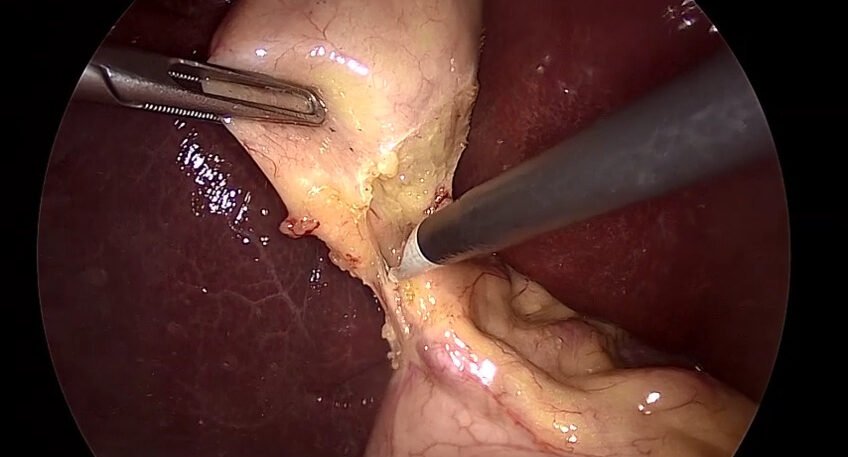
A cholecystectomy removes the gallbladder. Doctors use this procedure to treat gallstones and related complications, and surgery is often recommended when symptoms persist despite non-surgical management. Indications may include gallstones with symptoms, inflammation, bile duct blockage, or gallstone-related pancreatitis. Surgeons use laparoscopic or open techniques. Laparoscopic surgery uses small incisions and a camera, and many patients return home the same day. Open surgery uses a larger incision, and it requires a longer hospital stay and recovery period.
After removal, bile flows directly from the liver into the small intestine. Digestion continues without the gallbladder, and most individuals do not experience long-term digestive disruption. Some people notice temporary stool changes, but these often improve over time. Recovery depends on the procedure type. Laparoscopic recovery often takes about a week, and return to work may occur within one to two weeks. Open surgery recovery takes longer, and full healing may take several weeks.
Talk With Your Care Team
Gallbladder removal addresses recurring pain and reduces the likelihood of future gallstone-related problems. Surgery is commonly used when symptoms persist, and it provides a long-term solution in many cases. Discuss symptoms, ask about surgical options, and review recovery expectations with a qualified provider so care aligns with individual needs. Talk with your care team if you begin experiencing issues with your gallbladder.