

What To Know About Root Canal Treatment

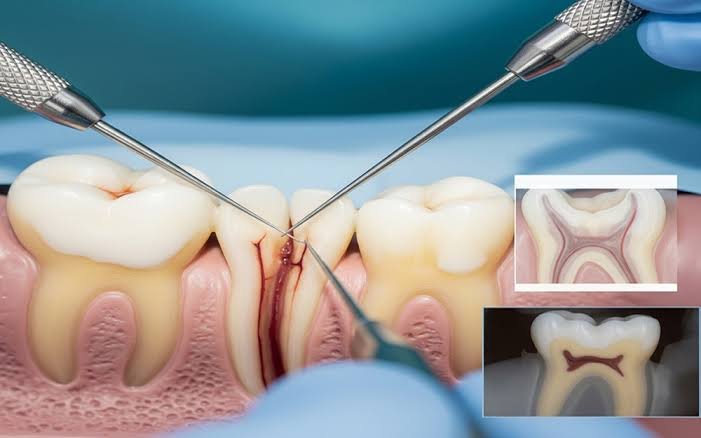
Each tooth has a soft center called the pulp, which holds nerves and blood vessels. When this pulp becomes infected or damaged, a dentist removes it, cleans the space, and seals the tooth during a root canal procedure. Root canal therapy is a dental procedure that treats the inside of a tooth. This treatment helps save a natural tooth that might otherwise need to be removed. Here’s information on root canal treatment and what to know about them:
When You May Need One
Certain signs may point to a problem with the pulp inside your tooth. Some common symptoms include lasting pain when chewing, swelling near the gums, and sensitivity to hot or cold that does not go away. Some people notice a tooth that looks darker than the others, while others see a small bump on their gums. These signs do not always mean you need a root canal, so a dental exam is the best way to know for sure.
To determine the cause of your discomfort, a dentist will examine your tooth and ask about your symptoms. They often take an X-ray to look at the area around the tooth root to check for signs of spreading infection. The dentist may also test how the tooth responds to temperature or light tapping. Based on these results, they decide whether a root canal treatment is appropriate for your condition.
How They Are Done
A root canal is usually done in one or two visits, as the final restoration, usually a crown, may need to be placed later. The goal is to remove the damaged pulp and protect the tooth from further harm. Before the procedure begins, the dentist numbs the area around the affected tooth with local anesthesia, which helps reduce discomfort during treatment. The dentist then places a small protective sheet, called a dental dam, around the tooth to keep it clean and dry. Once you feel numb, the work can begin with these treatment steps:
- The dentist makes a small opening in the top of the tooth to reach the pulp.
- They remove the infected tissue, clean the inner channels, and shape the space for filling.
- After cleaning, the dentist fills the area with a rubber-like material and seals the opening.
- A crown or other restoration is added at a second visit to give the tooth extra strength.
What Recovery Is Like
After the procedure, your tooth and the surrounding area may feel sore for a few days. This is a normal part of healing. Many people manage this with over-the-counter pain relievers, but your dentist will tell you which ones are appropriate to use. You should avoid chewing on the treated side until any tenderness fades.
Good oral care supports healing during this time. Brush and floss as usual, but be gentle near the treated tooth. If your dentist placed a temporary filling or crown, eat soft foods until your final restoration is in place. Contact your dentist if you notice changes that do not improve, because these may need further attention. Some sensations to inform your dentist about include:
- Increasing Pain
- Swelling
- Throbbing
Get Timely Root Canal Treatment
When dealing with oral discomfort, swelling, or sensitivity, don’t wait to get care. If you’re experiencing tooth pain, contact a dentist for a consultation, as they can determine which treatment is best. A dentist can examine your tooth and explain your treatment options, whether you need a filling or a root canal.