
Why Custom Orthotics Are Beneficial for Runners and Fitness Enthusiasts

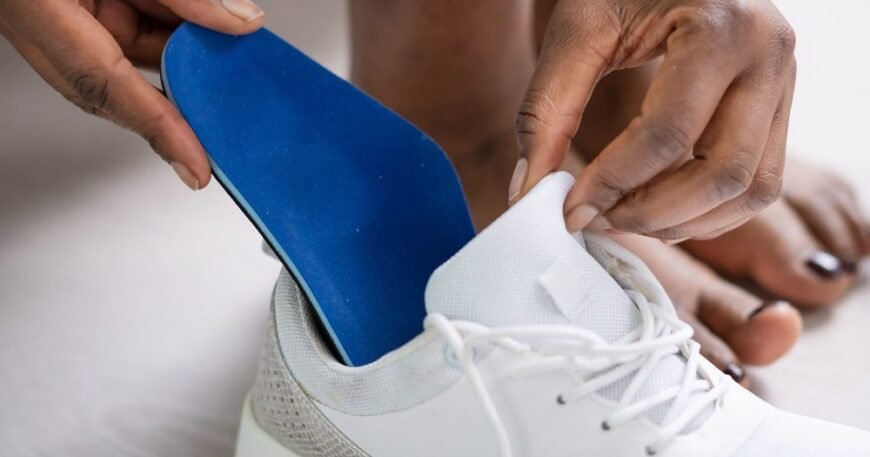
Custom orthotics often take the form of specialized shoe inserts created from impressions of an individual’s foot architecture. Podiatrists design these inserts to address anatomical irregularities, and athletes place them into their athletic footwear for support during training. When athletes engage in high-impact physical activities, these custom devices distribute forces evenly across the foot. This protects the foot from damage and allows previously existing conditions to be managed easily.
Managing Existing Conditions
Because high arches decrease the foot’s natural shock absorption capacity, runners frequently experience foot discomfort during training cycles. Custom orthotics provide arch support to mitigate these foot mechanics. The structural materials lift the arch, and this mechanical accommodation reduces pressure on the heel bone.
Flat feet cause overpronation during the runner’s gait, and custom inserts realign the ankle joint to correct this inward motion. If a fitness enthusiast suffers from osteoarthritis in their feet, joint friction often creates intense pain during routine exercises. Specialized orthotic cushioning minimizes bone-on-bone contact to preserve functional joint mobility.
Bunions usually develop from continuous structural instability within the first toe joint of the foot. While these bony protrusions can cause pain inside narrow running shoes, custom orthotics distribute body weight away from the irritated joint. Deep heel cups stabilize the rearfoot position, and integrated metatarsal pads relieve stress on developing bunions.
Preventing Structural Problems
Since repetitive running generates force between the foot and ground, fitness enthusiasts utilize orthotic devices to alter muscular strain patterns throughout their legs. Poor biomechanics naturally amplify the shock transmitted through the leg bones, and custom inserts absorb this energy before it damages connective tissues. This mechanical intervention stops the accumulation of microtears in the lower calf.
Unchecked repetitive movement issues threaten long-term athletic performance, and custom orthotic inserts establish a stable foundation to halt chronic deterioration cycles. The support provided by orthotics contours limits the sideways motion of the foot inside the shoe. When athletes maintain a neutral foot position during long-distance training, they prevent the onset of shin splints.
Providing Alignment Support
The functional position of the foot affects the structural alignment of the skeletal system moving upward. A misaligned arch can rotate the lower leg bones, and this irregular shift moves the hip joints out of their natural positions. Because custom orthotics correct the initial foot strike angle, runners experience superior stability during running.
If the hips shift out of their natural position during physical activity, the lower spine curves to compensate for the imbalance. This lateral spinal deviation often triggers muscle spasms across the lower back. Precision orthotics balance leg length discrepancies, and this specific structural equalization maintains a straight spinal column during exercise.
Spinal curvature negatively affects the upper body posture, and custom inserts correct this chain reaction before it reaches the shoulders. When the lumbar spine twists out of its proper anatomical orientation, the shoulders drop to maintain the athlete’s center of gravity. Corrective footwear devices support the shoulder blade to restore upper body symmetry. Proper skeletal alignment improves efficiency for fitness enthusiasts. As orthotics stabilize the skeletal chain from the ground up, runners expend less energy to maintain their posture.
Schedule a Custom Orthotics Fitting
Because athletes require proper support for their fitness training, custom orthotics support these individuals in their goals. Individuals with existing conditions can use custom orthotics to reduce discomfort during exercise, and otherwise healthy individuals can avoid painful conditions from emerging. Contact a podiatrist to schedule a custom fitting.