

Common Questions About Oncology

A cancer diagnosis brings many questions, and understanding the field that focuses on this disease can help patients and families feel more prepared. Oncology is the branch of medicine devoted to the study, identification, and management of cancer. Learning how this field works can give you a clearer view of the care available, as well as the professionals who provide it.
What Is Oncology?
Oncology is the medical specialty centered on cancer. Doctors who practice in this area work spans the full patient’s experience, from diagnosis, treatment planning, and ongoing follow-up care. The field is broad, and some oncologists choose a specific area of focus. Some concentrate on treatment using medication, while others work with radiation or surgical methods. A number of practitioners also support patients through integrative approaches, which combine standard medical treatment with complementary methods aimed at supporting overall well-being.
What Does It Address?
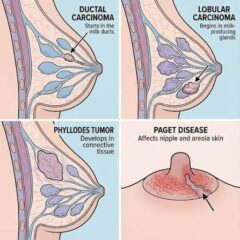
Oncology covers a wide range of cancers, which can affect nearly any part of the body. Cancer develops in many tissues and organs, and specialists may be trained to address rare forms as well. Some of the more commonly recognized types of cancer they treat include:
- Breast cancer
- Prostate cancer
- Lung cancer
- Blood cancers, such as leukemia and lymphoma
- Skin cancer
- Colon cancer
- Kidney and liver cancers
- Brain cancer
- Cervical and endometrial cancers
- Ovarian and pancreatic cancers
Oncology can involve the treatment of the diseases themselves, but it also includes examining the factors that may contribute to abnormal cell growth. Researchers and clinicians investigate a variety of influences to better understand each patient’s condition. These factors include genetics, where inherited traits may increase a person’s risk, and inflammation, which affects cellular behavior over time.
Other factors include diseases that alter normal bodily processes, hormonal imbalances that can play a role in certain cancers, and environmental factors, such as exposure to harmful substances. Certain viral infections are also linked to specific types of cancer. Understanding these elements helps medical teams build a more complete picture of a patient’s situation; it allows them to develop an appropriate care plan.
What Can It Entail?
Oncology care may begin with a thorough diagnostic evaluation. This step can include lab tests and imaging that help doctors understand the type and extent of a person’s condition. A clear diagnosis sets the foundation for the next steps. Treatment approaches vary widely and depend on the individual; standard methods may involve surgery, radiation, or medication. Many care plans also include supportive measures designed to help patients feel better during treatment, including lifestyle and nutrition guidance.
Seek Professional Medical Care
Cancer is a complex condition, and decisions about diagnosis and treatment call for the guidance of medical specialists. These specialists may explain your options in clear terms and help you understand what to expect. Each person’s situation is unique, and only a medical professional can offer advice suited to your specific health needs. By staying informed and working closely with your care team, you place yourself in a stronger position to manage your health with clarity.