
Understanding Cardiac Catheterization Procedures

Cardiac catheterization allows cardiovascular doctors to examine the heart and its blood vessels from the inside. During this procedure, a thin, flexible catheter is guided through a blood vessel to the heart. Doctors may recommend cardiac catheterization when symptoms such as chest pain, shortness of breath, or an irregular heartbeat need further evaluation. It may also be used after abnormal results from a stress test or other cardiology screening test. Here’s more information on cardiac catheterization and how it works:
What To Expect
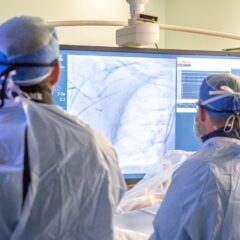
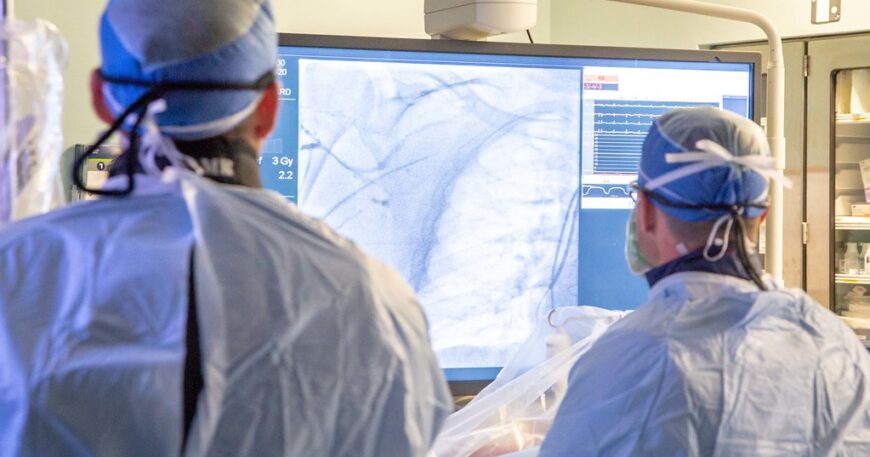
Before your procedure, your care team will review your medical history, current medications, and any allergies. You may also be asked to stop eating or drinking for several hours beforehand. Cardiac catheterization is performed in a specialized room called a catheterization lab, where most patients remain awake during the procedure. A sedative is often given to help you relax, and a local anesthetic numbs the area where the catheter is inserted.
The catheter is usually placed through an artery in the wrist or groin, depending on the practitioner. Using X-ray imaging for guidance, the doctor moves the catheter toward the heart. Many patients experience pressure at the insertion site rather than pain. Once the catheter reaches the heart, the doctor can perform several diagnostic tests, which commonly include:
- Measuring pressure inside the heart chambers
- Checking oxygen levels in the blood
- Evaluating how well the heart valves open and close
- Assessing how strongly the heart muscle pumps
The procedure typically takes between 30 minutes and one hour.
What Your Results Mean
Cardiac catheterization results provide detailed information about your heart’s structure and function. Your doctor will then review the findings with you and explain what they may indicate. Some individuals also need a coronary angiogram, which is commonly performed when doctors suspect coronary artery disease. During this test, the doctor injects contrast dye through the catheter to make the coronary arteries visible on X-ray images. These images can show whether plaque buildup has narrowed or blocked the arteries.
If the angiogram shows a significant blockage, your doctor may discuss an angioplasty. During this procedure, a small balloon at the tip of the catheter is inflated inside the narrowed artery to widen it. In many cases, the doctor also places a stent, which is a small mesh tube that helps keep the artery open. Angioplasty can sometimes be performed during the same session as the angiogram, but some cases require a separate procedure. Other options, such as medication or bypass surgery, may also be discussed.
What Follow-up Care Looks Like
Recovery after cardiac catheterization depends on the procedures performed and your overall care plan, but either way, you’ll need to avoid heavy lifting and strenuous activity for several days. After a diagnostic catheterization, many patients go home the same day. Those who undergo same-day angioplasty may stay in the hospital overnight for monitoring.
Your care team will provide instructions for caring for the insertion site, but contact your doctor if you notice bleeding, swelling, or signs of infection. Follow-up care often includes lifestyle changes that support heart health, such as having a diet low in saturated fat and sodium, getting regular physical activity, and quitting smoking.
Your plan may also include managing blood pressure, cholesterol, and blood sugar, depending on your health factors. Some patients are prescribed medications after angioplasty to help prevent blood clots. Regular appointments allow your doctor to monitor your progress, and additional testing will be scheduled as needed.
Get a Diagnostic Cardiac Catheterization
Cardiac catheterization is a widely used tool for evaluating the heart’s arteries, valves, and muscle. Knowing what to expect before and after the procedure can help you prepare effectively. If you have symptoms or test results that need further evaluation, speak with a cardiovascular specialist today. They can determine if cardiac catheterization is appropriate for your situation.