

Utilizing Urgent Care Services for Seasonal Illnesses

When a sudden health issue appears outside of regular office hours, knowing where to turn can save time and reduce stress. Urgent care services fill the gap between a primary care visit and a trip to the emergency room. These clinics treat conditions that need prompt attention, but they are not equipped for situations that are life-threatening.
What Are Urgent Care Services?
Urgent care services provide medical attention for conditions that require same-day treatment but do not meet the threshold of a medical emergency. These clinics may operate with extended hours, including evenings and weekends. The main distinction lies between three levels of care. Primary care physicians manage long-term health, routine checkups, and ongoing conditions, usually by appointment. Emergency rooms handle severe, life-threatening situations such as chest pain, major trauma, or difficulty breathing. Urgent care sits between these two, and it addresses problems that cannot wait for a scheduled appointment.
What Illnesses Does It Treat?
Urgent care clinics treat a wide range of common conditions, affecting people of all ages and different backgrounds. Visits can involve seasonal ailments, and minor injuries that appear suddenly and cause discomfort are also managed. Common illnesses and complaints that may be handled at these clinics include:
- Colds and Flu: Coughs, congestion, sore throats, and fever
- Infections Affecting Respiration: Bronchitis, sinus infections, and related symptoms
- Ear and Throat Infections: Earaches and strep throat
- Skin Conditions: Rashes, minor allergic reactions, and mild burns
- Injuries That Are Minor: Sprains, strains, small cuts, and minor fractures
- Stomach issues: Nausea and vomiting
These clinics are well suited to conditions that arise during flu season or after minor accidents. If you are unsure whether your symptoms call for urgent care or emergency treatment, a phone call to the clinic can help you decide. Urgent care handles a broad set of everyday health concerns; it gives patients a reliable option when their regular doctor is unavailable.
How Are These Illnesses Addressed?
Urgent care clinics are equipped to diagnose and treat many conditions. These services allow patients to receive assessment, testing, and treatment, all in one location. There are a few typical services offered at urgent care clinics, and these may include:
- Examinations: A provider assesses your symptoms and medical history to guide the next steps.
- Testing: On-site lab work and rapid tests for strep throat or influenza.
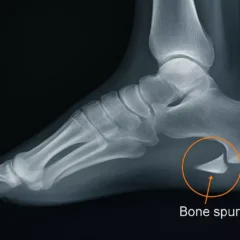
- Imaging: Clinics may offer imaging to identify fractures, sprains, or other injuries.
- Prescriptions: Providers can prescribe medications for infections, pain relief, and other treatable conditions.
- Vaccinations: Flu shots and other preventive treatments may be available.
The combination of diagnostics and same-day care makes urgent care a practical choice for many non-emergency situations.
Visit an Urgent Care Clinic
From colds and infections to minor injuries, these clinics offer diagnostics, testing, and treatment under one roof. Knowing what urgent care can handle helps you act when symptoms appear, so you are prepared when a same-day need arises. The next time a minor illness or injury interrupts your routine, an urgent care clinic may provide timely and straightforward care.