
Understanding the Causes of Heel Pain

Heel pain may result from overuse, injury, or an underlying foot condition. Identifying where the discomfort occurs and what triggers it can help determine the possible cause and guide appropriate treatment. Here are some common causes of heel pain:
Structural Foot Problems
The shape and alignment of your feet play a large role in how weight moves through your heels. Flat feet or high arches change the way pressure spreads across each step, and this imbalance can strain the tissues that support your heel. Some people are born with these traits, while others develop them over the years. Abnormal foot mechanics, sometimes called overpronation, occur when the foot rolls inward too far during movement. This shifts stress onto the heel and the band of tissue running along the sole, and repeated strain may lead to heel pain.
Repetitive Strain and Injury
Repeated stress on the foot can cause heel pain. Activities that involve running, jumping, or standing for hours place constant demand on the heel and surrounding tissue. The following conditions often stem from overuse, and both can disrupt daily routines.
Plantar Fasciitis
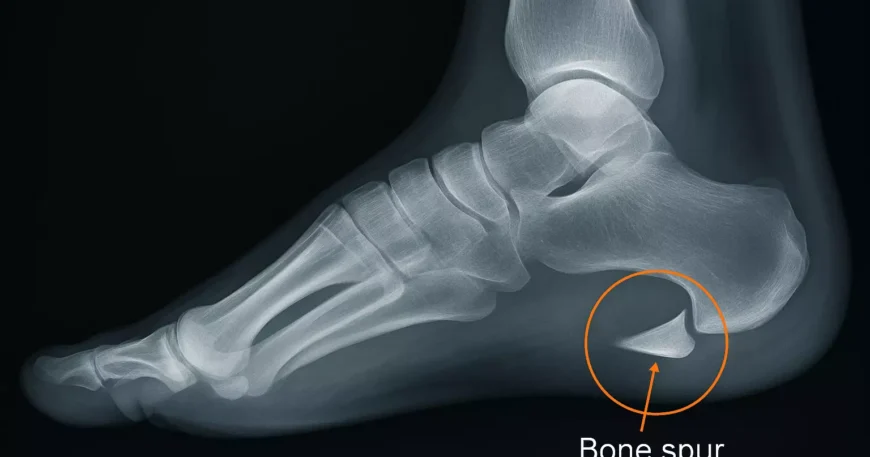
Plantar fasciitis involves irritation of the thick band of tissue that connects your heel to your toes. The pain usually settles near the bottom of the heel, and it tends to feel worst after rest. Some people describe a stabbing sensation during their first steps in the morning, though it may ease as they move around.
Achilles Tendinitis
Achilles tendinitis affects the tendon that links your calf muscle to your heel bone. Discomfort generally appears at the back of the heel, and it may intensify during or after physical activity. Repetitive strain, tight calf muscles, and sudden increases in exercise contribute to this condition.
Related Health Conditions
Certain underlying health factors can influence heel pain beyond structure and activity alone. Conditions that affect circulation, nerves, or joints sometimes change how your feet respond to daily pressure. These factors do not always cause pain directly, but they can make existing discomfort harder to manage. Inflammatory issues and metabolic conditions may also alter how tissues heal after strain. A person managing one of these conditions may notice slower recovery or lingering tenderness, and this pattern often signals a need for closer attention.
Modifiable Risk Factors
Everyday habits affect the load your heels bear, and adjustments can make a difference. Some factors build up quietly over time, while others create strain almost immediately. Reviewing your routine helps you identify patterns that may worsen discomfort. Here are some lifestyle risk factors that can cause heel discomfort:
- Footwear choices: Shoes with worn soles or little arch support shift pressure onto the heel.
- Body weight: Extra weight increases the force traveling through the feet, which places demand on the heel and its supporting tissue.
- Activity levels: A sudden jump in exercise intensity can overload the heel, and too little movement also leaves supporting muscles weak.
- Standing surfaces: Hard floors offer no cushioning, and long hours on them may leave heels sore.
Get Relief From Heel Pain
Heel discomfort stems from various causes, including structural imbalances, inappropriate footwear, and overuse. Recognizing the underlying contributors is fundamental in managing discomfort and preventing further strain. To get relief from heel pain, contact a qualified foot specialist near you to get relief from heel pain today.