

The Interplay Between Gastroenterology and Nutrition

The digestive system is a network of organs that includes the esophagus, stomach, small intestine, large intestine, liver, gallbladder, and pancreas. These organs absorb nutrients, and they remove waste from the body. When one part of this system does not function as expected, a person may notice symptoms such as abdominal discomfort, bloating, heartburn, or changes in bowel habits. Gastroenterology is the branch of medicine devoted to evaluating and managing these concerns. Because everything you eat and drink passes through the digestive tract, nutrition and gastrointestinal health are closely linked.
What Is Gastroenterology?
Gastroenterology is a medical specialty that focuses on the gastrointestinal (GI) tract and the organs that support digestion. A gastroenterologist is a physician who is trained in diagnosing and managing disorders that affect how the body processes food and eliminates waste. The conditions within this specialty vary, both in type and severity. Some affect a single organ, and others involve several areas of the digestive tract. Common examples include:
- Upper GI Conditions: Gastroesophageal reflux disease (GERD) and swallowing difficulties
- Lower GI Conditions: Irritable bowel syndrome (IBS), diverticulitis, hemorrhoids, and colon polyps
- Inflammatory Bowel Diseases: Crohn’s disease and ulcerative colitis
Some of these conditions are short-term, while others are chronic and may require ongoing monitoring.
What Role Does Nutrition Play?
Diet and digestive health influence each other in several ways. Certain foods may contribute to symptoms, and some digestive conditions affect how well the body absorbs nutrients. For individuals with reflux, fatty meals, caffeine, and alcohol are often associated with heartburn. People with celiac disease must avoid gluten, a protein found in wheat, barley, and rye, because it triggers an immune response that affects the small intestine. Chronic conditions like Crohn’s disease interfere with nutrient absorption, and this may lead to deficiencies in some vitamins.
What Services Does Gastroenterology Offer?
A gastroenterology visit can begin with a review of your symptoms, health history, and eating habits; the specialist is then able to recommend diagnostic tests to gather more information. Following an evaluation, the specialist may develop a management plan. This could involve medication, dietary guidance, referral to a registered dietitian, or scheduled follow-up visits to monitor a chronic condition. Procedures that can be utilized include:
- Blood and stool tests to check for infection, inflammation, or nutrient levels
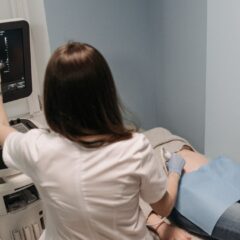
- Imaging studies such as ultrasound, CT scans, or MRI
- Endoscopy, which uses a thin, flexible tube with a camera to examine the esophagus, stomach, and upper small intestine
- Colonoscopy, which allows the physician to view the lining of the large intestine
Some procedures serve both diagnostic and treatment purposes. During a colonoscopy, a gastroenterologist can remove polyps or collect tissue samples for further study.
Seek Care From a Specialist
Certain symptoms may warrant an evaluation by a gastroenterologist rather than continued self-management. These include unexplained weight loss, blood in the stool, persistent changes in bowel habits, and ongoing difficulty swallowing. Gastroenterologists also play a role in preventive care. Adults at average risk are typically recommended to begin colorectal cancer screening at age 45, and individuals with a family history of colorectal cancer or polyps may be advised to start earlier. If you have digestive symptoms or are approaching screening age, a gastroenterologist can review your options and outline the next steps in your care.