
Innovative Wound Care Products You Should Know About

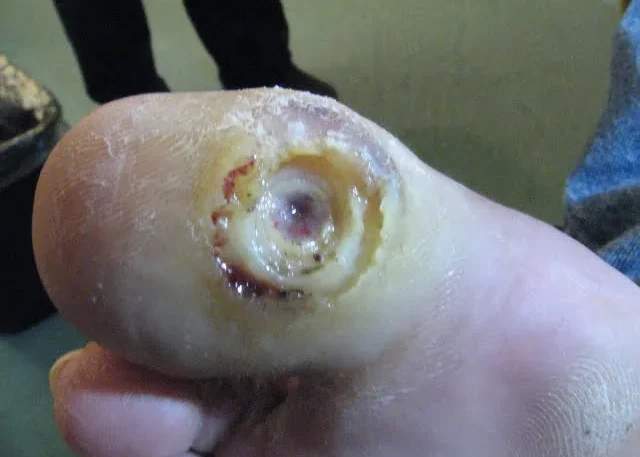
Wound care requires clear information. Diabetic foot ulcers are open sores on the feet; they often form under the big toe or the ball of the foot. Because diabetes can reduce foot sensation and limit circulation, small injuries may go unnoticed, and care may involve dressings, medication, debridement, grafts, braces, orthotics, or newer product categories that support wound monitoring and management.
Definition
A diabetic foot ulcer is an open sore or wound on the bottom of the foot, often under the big toe or the ball of the foot. These ulcers may begin with a small foot problem; they can worsen when the problem is not addressed. It can occur in anyone with diabetes. When diabetes reduces sensation in the feet, a person may not notice irritation, trauma, or pressure from shoes, and poor circulation can make the wound harder to heal. Wound care is helpful when this happens.
Risk Profile
When a person has diabetes-related heart, kidney, or eye disease, the risk may increase; alcohol or tobacco use and improper toenail trimming may also contribute. Foot ulcers can occur in anyone who has diabetes. Insulin use and excess body weight can raise risk; poor foot hygiene or poorly fitting shoes can add further concern. Risk can vary. A person may have reduced foot sensation, and irritation or pressure from shoes may go unnoticed. When these factors occur with poor circulation, a small foot problem can become harder to heal, and infection risk can increase.
Causes
Neuropathy reduces feeling in the feet; poor circulation can limit healing. Diabetic foot ulcers develop mainly because of nerve damage and poor circulation. When blood sugar remains elevated for years, nerve damage can reduce or eliminate foot sensation; foot problems may develop without being noticed.
Other causes include trauma, foot deformities, and irritation from friction or shoe pressure. A shoe may rub the skin. When reduced sensation limits awareness of these problems, the wound may go unnoticed, and reduced blood flow can make healing more difficult.
Treatment
Diabetic wound care management focuses on treating the wound site and reducing infection risk. When pressure affects the wound area during healing, braces or orthotics may help reduce that pressure; surgical skin grafting may be used in some cases. Treatment may include medication or wound dressings, and debridement may be used to remove dead tissue and skin.
Newer products for wound care are available. When clinicians need additional wound information, smart biosensor-enabled dressings can track moisture, pH, or temperature, and the readings can help guide care decisions. Hydrocolloid and alginate dressings are absorbent; they help manage moisture during wound care. Other categories include portable negative-pressure wound therapy systems, cellular and tissue-based products such as skin substitutes, and biologic adjuncts such as platelet-rich plasma therapies or growth factor gels.
Review Wound Care Options
Diabetic foot ulcers are open wounds on the feet. Treatment plans include several approaches, and care options vary according to wound needs. When nerve damage or poor circulation affects the feet, treatment may address the wound site, and listed product categories may support dressing use, pressure reduction, grafting, or wound monitoring. Wound care has many options; talk to a specialist to learn about which is right for you.