
Understanding the Benefits and Risks of Sleeve Surgery

Sleeve surgery is a type of weight-loss procedure that reduces the size of the stomach to help patients feel full sooner and support long-term weight management. While it may improve weight-related health concerns for eligible patients, it also involves surgical risks and lifelong dietary and medical follow-up. Here is an overview of the benefits and risks of sleeve surgery:
How Does Sleeve Surgery Work?
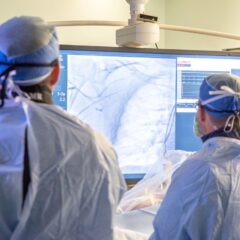
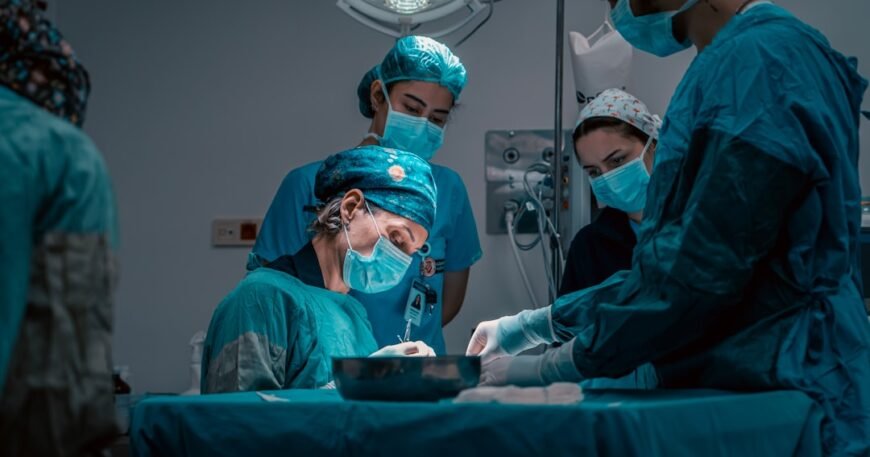
During sleeve surgery, a surgeon removes about 80% of the stomach. The smaller stomach holds less food, and this change affects hunger signals in the body. Surgeons often perform this procedure using small incisions and a tiny camera, a technique known as laparoscopic surgery.
The new stomach shape limits how much a person can eat at one time. Smaller meals often lead to a lower calorie intake, and the body may begin to use stored fat for energy. The procedure does not reroute the intestines, so the digestive system stays the same after surgery. Recovery times vary from person to person. Patients stay in the hospital for a short time and gradually progress from liquids to soft foods over several weeks.
What Benefits Does It Offer?
People often want to know about the positive changes that may follow sleeve surgery. Here are some reported benefits, though results vary from person to person:
- Gradual weight reduction: The smaller stomach limits food intake, which often helps patients lose weight gradually over time.
- Changes in appetite: The procedure lowers certain hunger signals, so some people feel full sooner during meals.
- A simpler digestive path: The intestines stay in place, keeping the digestive process closer to normal than with some other surgeries.
- Shorter procedure time: The laparoscopic method uses small incisions, which can mean a quicker recovery for patients.
- Support for daily activities: As weight drops, some people find movement and physical tasks easier to manage.
These benefits depend on various factors, and a medical team can explain what a person should realistically expect.
What Are the Possible Risks?
Every surgery carries some level of risk, and sleeve surgery is no different. Short-term concerns include bleeding, infection, or a reaction to anesthesia. A surgical team takes steps to reduce these risks, but no procedure is entirely free of them.
Long-term challenges may also appear after the operation. Some patients experience acid reflux, and others may struggle to get enough nutrients from smaller meals. Doctors often recommend vitamins or supplements, and regular check-ups help track how the body adjusts. The removed portion of the stomach cannot be put back, so this surgery is permanent. Weight regain remains possible if eating habits return to old patterns, and emotional adjustments can take time as well.
How Does One Support Success?
Lasting results depend on various factors. Here are some healthy habits that may support better outcomes:
- Balanced eating habits: Smaller, nutrient-rich meals help the body get what it needs, and slow eating promotes comfort after surgery.
- Regular physical activity: Daily movement, such as walking, can support energy levels and overall health as weight changes.
- Vitamin and mineral support: Patients often take supplements to fill gaps left by smaller meals.
- Regular follow-up visits: Routine check-ups let the care team track progress and detect concerns early.
Integrating these strategies into daily life can help patients enhance their well-being and achieve sustainable long-term health outcomes.
Schedule Your Sleeve Surgery Consultation
Sleeve surgery reduces stomach size to support weight loss. The procedure may lead to gradual weight loss and changes in appetite, yet it also carries surgical risks and requires lasting lifestyle changes. A clear understanding of how the surgery works helps you weigh your options. Contact a qualified surgeon near you to schedule your sleeve surgery consultation today.