
Key Stages in the Knee Replacement Journey

Chronic joint pain limits physical mobility and affects routine daily activities. When conservative medical treatments fail to provide lasting relief, surgical intervention becomes a primary option for joint restoration. Knee replacement offers a clinical method to alleviate structural pain and restore mechanical function to the affected leg. Understanding the progression of this medical process helps patients prepare for the physical steps ahead.
What Is Knee Replacement?
Knee replacement is a medical operation that substitutes damaged sections of a structural joint with artificial prosthetics. Surgeons aim to eliminate bone friction and bring back structural integrity to the affected area. Medical professionals typically recommend this route for individuals suffering from severe joint degeneration or extensive structural trauma. Depending on the exact condition of the joint, a surgeon might suggest replacing only the localized damaged section or resurfacing the entire structural joint surface. The prosthetic components replicate the natural movement of the human leg, allowing individuals to resume their standard physical activities with greater ease.
What Does It Address?
A thorough clinical evaluation determines if a patient requires surgical intervention, and several physical signs suggest that joint deterioration has reached a state requiring an operation. Patients frequently report chronic pain that remains unresponsive to rest, physical therapy, or oral medication. Severe joint stiffness also signal significant physical damage, as well as a notably restricted range of motion.
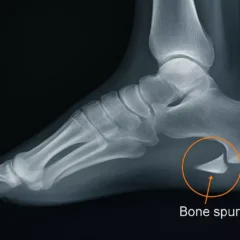
Individuals can experience difficulty when attempting to walk, climb stairs, or stand for extended periods. The joint might exhibit persistent instability, weakness, or localized swelling that does not subside with standard care. Nighttime pain that disrupts normal sleep patterns serves as another clear clinical indicator. When non-surgical strategies fail to yield measurable improvement, orthopedic specialists evaluate these physical markers and decide if a surgical approach is warranted. Physicians typically use imaging to verify the extent of cartilage loss and bone friction, as they provide visual confirmation of the physical symptoms reported by the patient.
What Does the Process Entail?
The operation requires precision and involves careful planning by the orthopedic surgical team. Anesthesiologists administer either general anesthesia or a spinal block prior to the first incision. The choice depends on the patient’s medical history and the surgeon’s preference. During the procedure, the surgeon extracts the degraded cartilage and damaged bone tissue from the joint structure. They then position the durable artificial components and secure them firmly to the remaining healthy bone. These synthetic materials are specifically engineered to glide smoothly, replicating the biomechanics of a natural, healthy joint.
Following the placement of the prosthetic, the surgical team closes the incision with sutures or staples. Patients then transition to a recovery room for continuous observation. The patient subsequently enters a structured rehabilitation phase. The initial recovery period emphasizes immediate pain management strategies and involves careful monitoring of the surgical site. Physical therapy plays a central role in this postoperative phase. Through targeted exercises, patients gradually restore their range of motion and rebuild the surrounding muscle strength. Medical teams monitor this progress to verify that the joint functions correctly and that the surrounding tissues heal properly.
Consult a Joint Specialist
Deciding to proceed with joint surgery requires professional medical guidance and a thorough assessment of an individual’s specific health profile. Orthopedic surgeons possess the specialized training required to interpret complex joint symptoms and recommend the most effective surgical options. Obtaining a professional medical opinion represents the primary step toward resolving chronic joint dysfunction and restoring physical movement.