
What To Know About Gout Treatment and Prevention Strategies

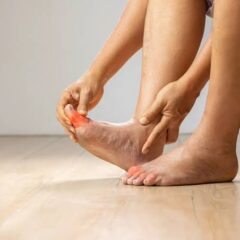
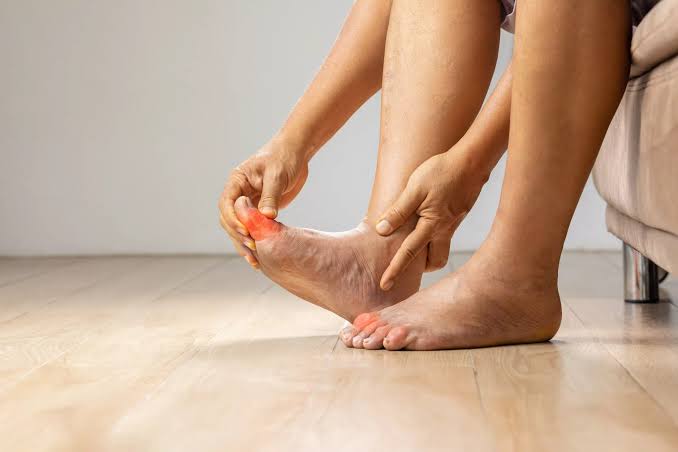
Gout is a form of arthritis that causes sudden, painful swelling in your joints. Treatment focuses on easing flare-ups, and prevention keeps uric acid levels in check. When a flare hits, an arthritis specialist helps you find relief. Here are some gout treatment and prevention strategies so you can be informed and prepared:
Dietary Adjustments
What you eat affects your uric acid levels. Certain foods raise your risk, so small swaps make a real difference. When you cut back on high-purine items, your body has less uric acid to process. Water helps flush it out, and steady hydration supports that process. Try trimming these triggers from your daily meals:
- Red meat and organ meats
- Certain shellfish like shrimp and mussels
- Sugary drinks and beer
- High-fructose foods
Healthy Weight Management
Extra body weight puts more pressure on your joints. Losing weight gradually lowers uric acid, and it eases strain during a flare. When you drop pounds too fast, uric acid may spike and trigger an attack. A steady approach protects your progress.
Movement matters as much as diet. Low-impact activity keeps joints mobile without added stress, and it supports slow weight loss. When you pair regular walks with balanced meals, your body responds better over time. Small daily habits build lasting change.
Talk with a provider before you start any gout treatment plan. They review your history, and they tailor advice to your needs. When you have a clear starting point, you track progress with more confidence. Urgent care staff help you map out safe next steps.
Prescription Medications
Medications treat both active flares and long-term uric acid levels. Some ease pain fast, and others work to prevent future attacks. When a flare strikes, quick treatment shortens how long the pain lasts. A provider matches the drug to your situation. Typical options fall into a few groups:
- NSAIDs for pain and swelling
- Corticosteroids for stubborn flares
Never mix these on your own. Each medication carries side effects, and some interact with other drugs. When you follow the prescribed dose, you lower your risk of complications. A quick visit lets staff review your current medications for safety.
Intravenous Infusions
Some people with severe gout do not respond to standard pills. Pegloticase is an infused medication for these harder cases. When other treatments fail, a provider may suggest this option. It breaks down uric acid your body struggles to clear.
The medication goes in through an IV, and a session takes a couple of hours. Providers monitor you closely during the infusion for any reaction. When you meet the criteria, your care team explains the full schedule. Regular follow-up tracks how your body responds. They will also discuss potential side effects and ways to manage them during your treatment.
Schedule Gout Treatment Today
Gout treatment blends daily habits with medical support, and consistency ties them together. When a painful flare strikes, you need care that fits your schedule. Visit your local arthritis specialist for prompt attention, and get a treatment plan built around your needs. When you act early, you take control of your next steps.